Life After Death
How Young Cambodians Engage with the Past and Imagine the Future.
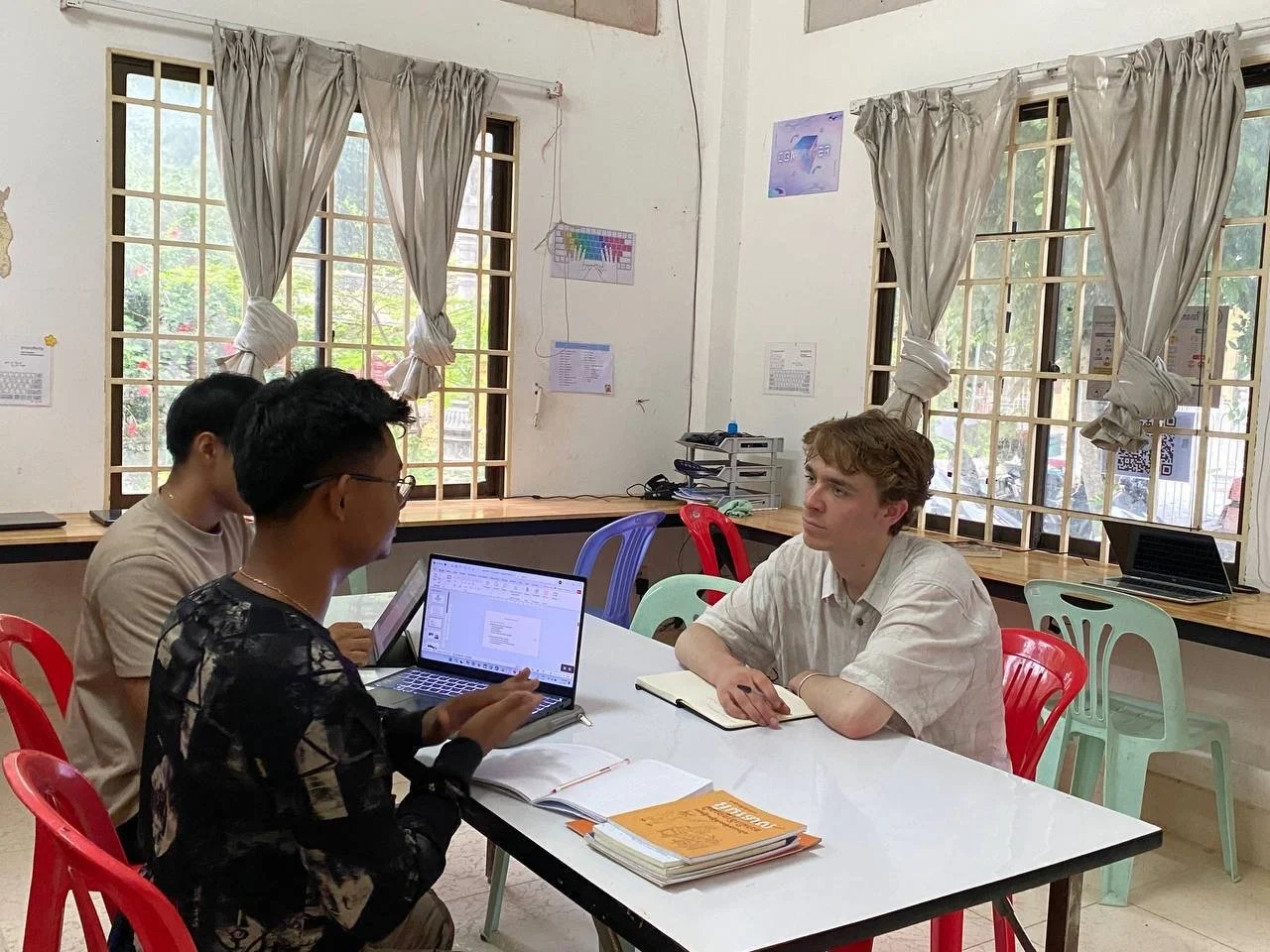
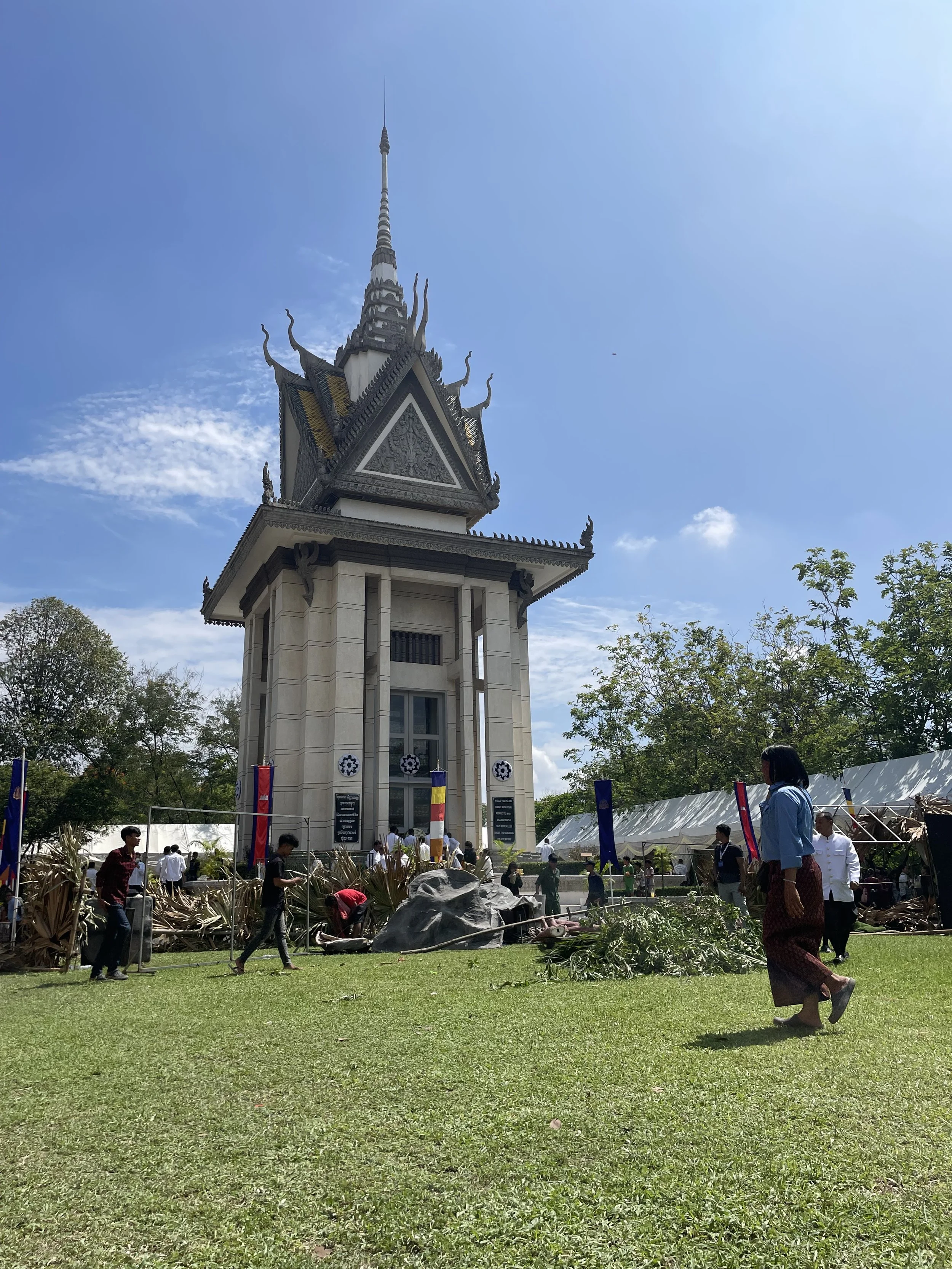
This dissertation explores how Cambodians born after the 1991 Paris Peace Agreements engage with their country’s violent history and how that in turn shapes their imaginations of the future. While existing scholarship has explored the trauma of survivors (Kanavou et al. 2016; Rechtman 2006) as well as the fraught relationship between the contemporary state and memorial and judicial practices (Etcheson 2020; Gidley 2019; Kidron 2020; Sion 2011; Wild 2022), the agency of youth within the country’s post-genocide landscape requires deeper attention. I attempt to draw closer to this topic through interviews with journalists, students, and youth-led non-governmental organisation members under the age of 30, as well as participant observation in cultural and memorial sites in Phnom Penh and Battambang. Building on theories of sovereignty beyond corporeal life (Singh 2015) and time beyond linearity (Daniel 1997), I seek to uncover the overlapping intensities and temporalities that coexist in the worlds of Cambodian youth. Within that coexistence, I conclude, youth actively strive for a harmonious future inspired by the pain of the past.
SOAS, University of London
From the inception of the internal war up until the current moment, the experiences of Andean Peruvians during the conflict (1980-2000) have been reduced to the confines of binary narratives. Within discourse as well as scholarship, this has obfuscated the actual experiences of highland peasants during and contributed to a broader contemporary dissonance towards rural Peru. The objective of this research is to uncover these lost experiences and in doing so paint a more representative portrayal of the experience of the Andean, or lo andino. Drawing on first-hand accounts from Andean campesinos, this dissertation uses qualitative research methods to illustrate the nuanced and heterogeneous reality of these experiences. The findings of this approach dictate that when peasant communities accepted the presence of Sendero Luminoso they did so because of tangible existential factors. With this, we can gain a clearer and more representative understanding of lo andino; representing a step in the direction of reconciling the dissonance which has defined historic and contemporary outlooks towards Andean Peru.
University College London
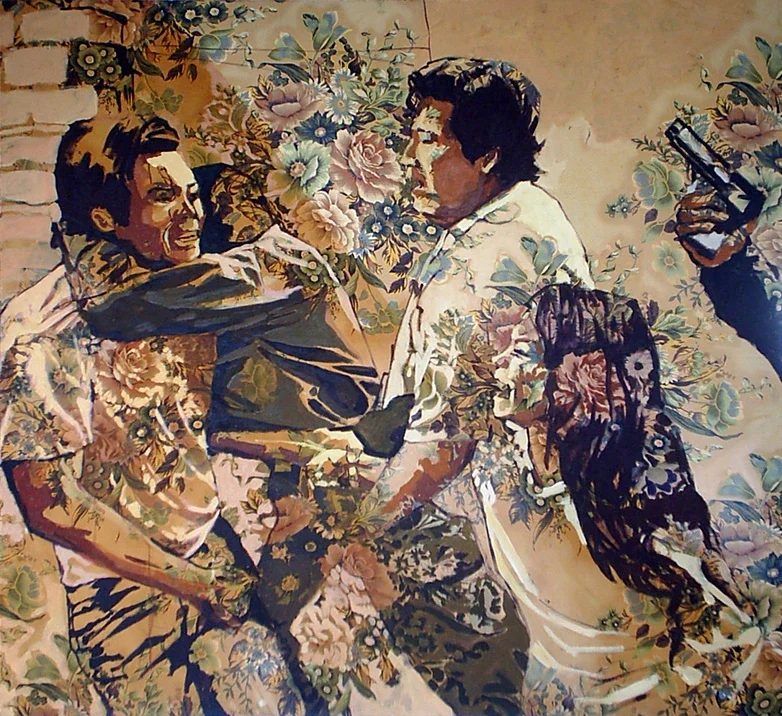
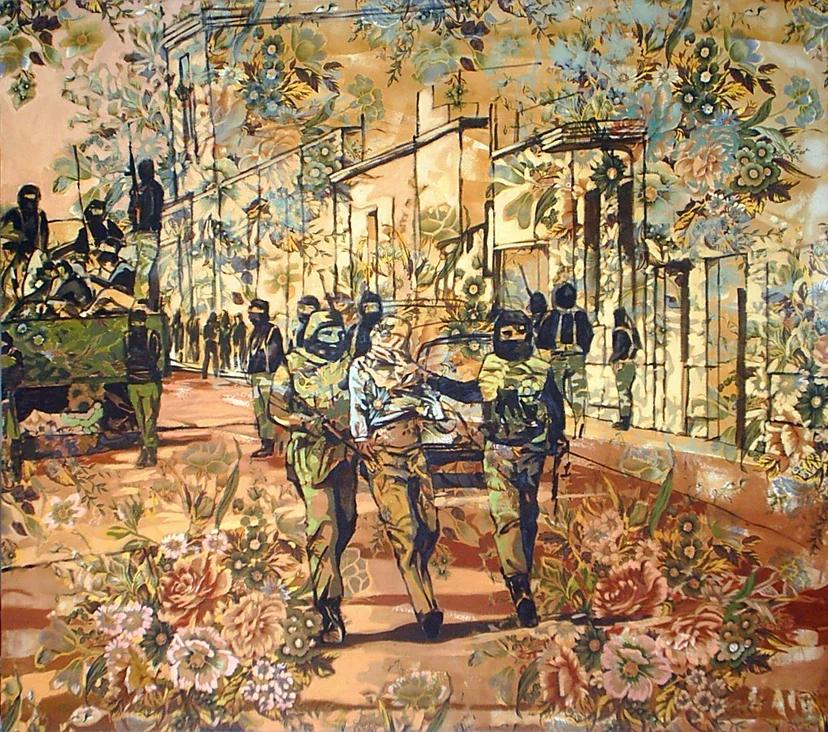
Images: La detención eterna, Mauricio Delgado Castillo
Lo Andino
Understanding the Relationship between Sendero Luminoso and the Peasantry of Ayacucho, Peru, 1980-1983